
Anderson Valley, tucked into the rolling hills of Mendocino County, California, is a place where history, agriculture, and small-town charm come together. Today, visitors know the area for its beautiful vineyards, scenic countryside, local wineries, and peaceful atmosphere. But long before Anderson Valley became a favorite destination for wine lovers and travelers, it was home to Native communities, early settlers, hardworking ranching families, and generations of people who helped shape the region into what it is today.
Whether you're visiting Anderson Valley Inn for a relaxing getaway, exploring the surrounding coastal towns, or planning one of your Point Arena Lighthouse visits, taking a little time to learn about the area's history adds another layer to your experience.
Before the Settlers: The Native History of Anderson Valley
Long before European settlers arrived, the Anderson Valley region was home to Indigenous communities, particularly the Pomo people. The Pomo lived throughout much of what is now Mendocino and Sonoma counties, developing a deep connection with the land and its natural resources.
The valley's rivers, oak woodlands, grasslands, and forests provided everything needed for daily life. Acorns were an important food source, while local waterways offered fish and other resources. The Pomo were also known for their intricate basket weaving, creating beautiful and practical baskets using locally gathered materials.
Their knowledge of the land was passed down through generations, and their history remains an important part of Mendocino County's cultural identity. Understanding this earlier history helps visitors appreciate that Anderson Valley's story began long before the vineyards, farms, and communities we see today.
How Anderson Valley Got Its Name
Anderson Valley takes its name from William Anderson, an early settler who arrived in the area during the mid-19th century. Like many other settlers moving into Northern California during this period, Anderson saw opportunity in the valley's fertile land and natural resources.
The region was relatively isolated, surrounded by hills and forests that made travel challenging. However, its open meadows, reliable water sources, and productive soil made it an appealing place for farming and raising livestock.
As more families moved into the valley, small settlements began developing. What started as a sparsely populated agricultural region slowly grew into a collection of rural communities that still give Anderson Valley its distinctive character.
Farming, Logging, and the Early Economy
For much of its early history, Anderson Valley was built around agriculture and hard work. Families established farms, planted orchards, raised livestock, and made use of the surrounding forests.
Apples were among the valley's earliest agricultural products. The Ball family planted an orchard in the 1850s, helping establish a tradition of fruit growing that would continue for generations. Sheep ranching also became an important part of the local economy, with ranchers raising sheep for wool and meat.
Logging was another major industry. The surrounding redwood forests provided valuable timber, and sawmills began appearing throughout the region. Timber was transported using horses, wagons, waterways, and eventually improved roads and rail connections. These industries helped support growing communities and brought more families into the valley.
The Communities That Shaped the Valley
As the population grew, several small communities developed throughout Anderson Valley. Boonville became one of the area's central gathering places, while Philo and Yorkville developed their own identities.
Philo was established in the 1860s and eventually became an important stop for local residents. In 1888, Cornelius Prather helped establish the community's first post office, naming it after a friend in Iowa. These small milestones helped connect the valley's residents and made everyday life a little easier in an otherwise rural and isolated region.
One particularly interesting piece of local history is Boontling, a traditional local language that developed in and around Boonville. This unique collection of words and expressions grew out of everyday conversations among residents, workers, and ranching families. It became a recognizable part of Anderson Valley's identity and remains a fascinating example of the area's independent spirit.
From Ranching Country to Wine Country
While agriculture and ranching shaped Anderson Valley for generations, the region eventually became known for something a little different: wine.
The valley's cool climate, coastal influence, and unique growing conditions proved ideal for certain grape varieties, particularly those that thrive in cooler temperatures. Wine grape cultivation began expanding during the second half of the 20th century, gradually transforming the local agricultural landscape.
By the 1980s and 1990s, vineyards and wineries were becoming an increasingly important part of the area's economy. Today, Anderson Valley is particularly recognized for its Pinot Noir, Chardonnay, and sparkling wines.
Although the wine industry has brought new visitors and businesses into the region, much of Anderson Valley has maintained the relaxed, rural atmosphere that has defined it for generations. Family-owned farms, small businesses, and local traditions continue to play an important role in the community.
A Connection to the Mendocino Coast: Point Arena Lighthouse
Anderson Valley's history is closely connected to the surrounding Mendocino Coast. Just a scenic drive away, Point Arena offers another glimpse into the region's past.
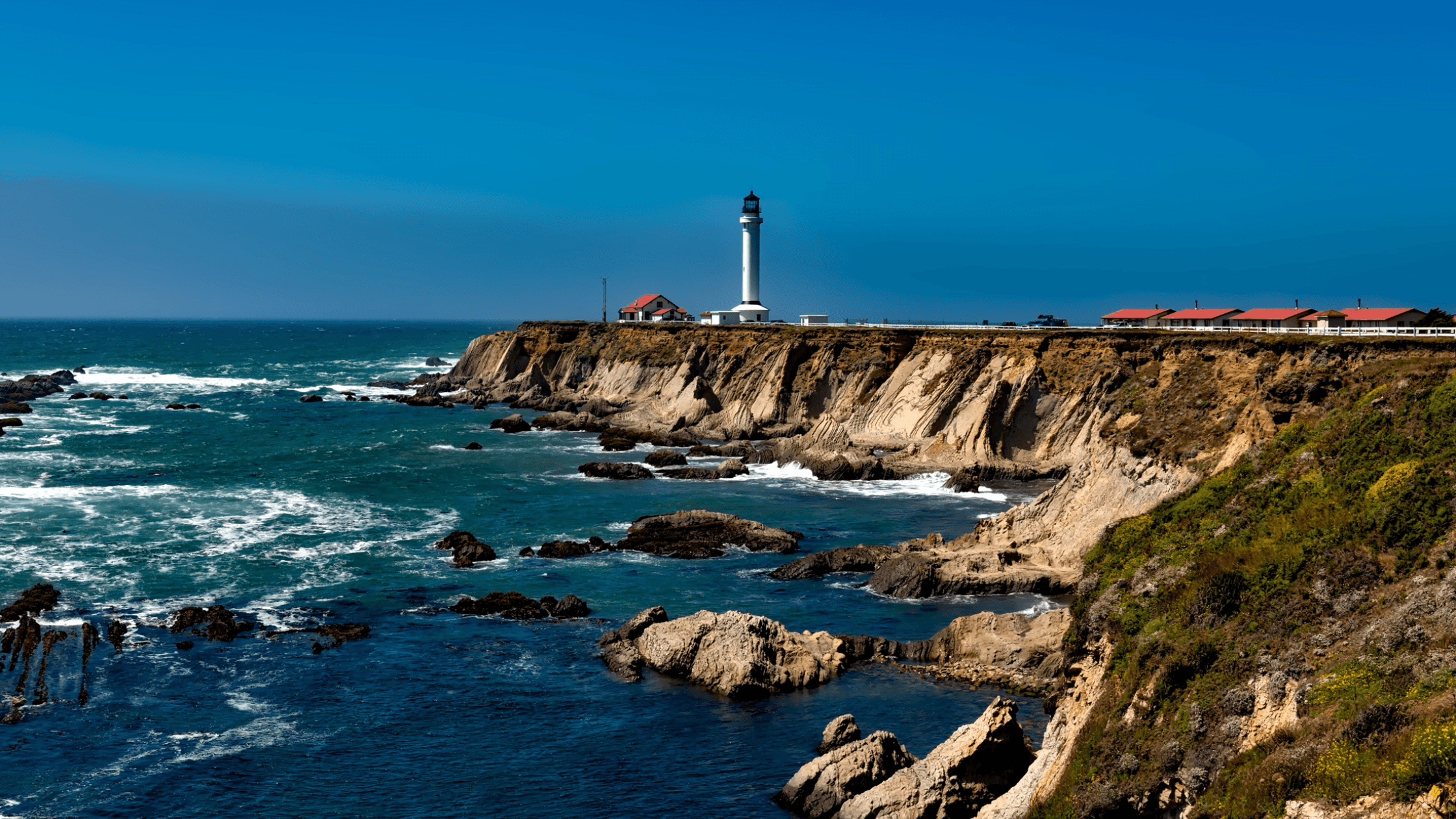
The original Point Arena Lighthouse was constructed in 1870 to help guide ships along a particularly dangerous stretch of coastline. At the time, the area was an important shipping destination for lumber and agricultural products, making safe navigation essential.
The original lighthouse was severely damaged during the 1906 San Francisco earthquake. It was eventually replaced with a reinforced concrete structure, which began operating in 1908. Standing 115 feet tall, the current lighthouse remains an important piece of California's maritime history.
Today, the lighthouse is a popular destination for visitors interested in history, architecture, and coastal scenery. Planning one of your Point Arena Lighthouse visits is a wonderful way to add something memorable to your Anderson Valley getaway. Visitors can explore the historic grounds, learn about the lighthouse keepers, and enjoy sweeping views of the Pacific Ocean.
It's a reminder of how much the coastline contributed to the development of Mendocino County and the communities that grew throughout the region.
Experience Anderson Valley's History for Yourself
One of the best things about visiting Anderson Valley is that its history isn't something you'll only find in a museum. It's woven into the landscape, the small towns, the family farms, and the traditions that continue today.
You can spend the morning exploring Boonville, stop by a local winery in the afternoon, and take a scenic drive through the countryside. If you have extra time, consider adding one of your Point Arena Lighthouse visits to your itinerary. The combination of coastal history and beautiful ocean views makes for a wonderful day trip.
For travelers who enjoy learning about the places they visit, Anderson Valley offers plenty of opportunities to slow down and appreciate the past.
When planning your visit, make Anderson Valley Inn your comfortable home base for exploring the region. Whether you're here for the wineries, the history, the coastal scenery, or simply a peaceful escape, you'll find plenty of reasons to fall in love with this special corner of Northern California.
And who knows? After discovering its history, you might find yourself wanting to return and uncover a little more of Anderson Valley's story.